A Volkswagen with a DSG gearbox feels great when it is healthy, with quick shifts and the engine staying in the sweet spot. When things start to slip, that same transmission can feel jerky, slow to engage, or inconsistent in traffic. Many drivers worry about a full rebuild, but most DSG problems come down to a few repairable faults.
How the Volkswagen DSG Transmission Works in Simple Terms
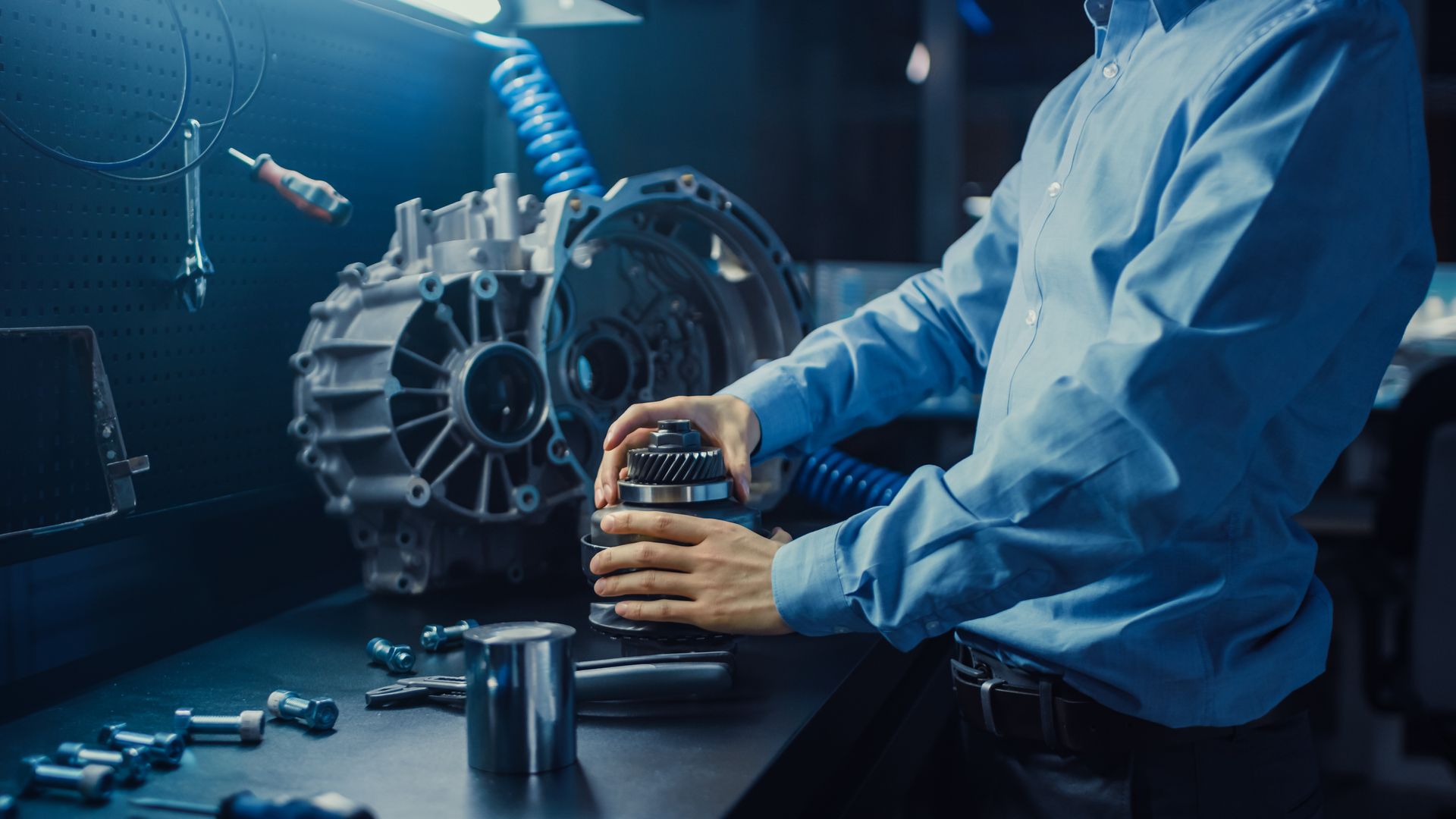
The DSG is a dual-clutch transmission. One clutch handles odd gears, the other handles even gears, and a mechatronic unit controls both using electronics and hydraulic pressure. Because the next gear is already lined up before the shift, changes feel very fast and smooth when everything is working correctly. That is why it feels different from a regular automatic.
That precision comes at a price, since the DSG is more sensitive than a basic automatic to fluid quality, internal leaks, and control issues. Old or contaminated fluid, software faults, and worn parts in the mechatronic unit can all change how the clutches grab and how the gearbox chooses gears.
Everyday Symptoms of DSG Transmission Problems
Most DSG issues start as changes in feel. You might notice:
- Shudder or vibration when taking off from a stop
- A pause before the car moves when you press the accelerator
- Harsh or “grabby” downshifts in slow traffic
- A delay or clunk when shifting between Reverse and Drive
Warning lights add another layer. A flashing gear indicator, drivetrain light, or “limited function” message indicates that the computer has detected a fault. In some cases, the car drops into limp mode, locking itself in a single gear and cutting power to protect the internals.
Common DSG Issues We See Most Often
A handful of problems make up most of the DSG failures we run into:
- Worn clutches that slip, chatter, or shudder on takeoff
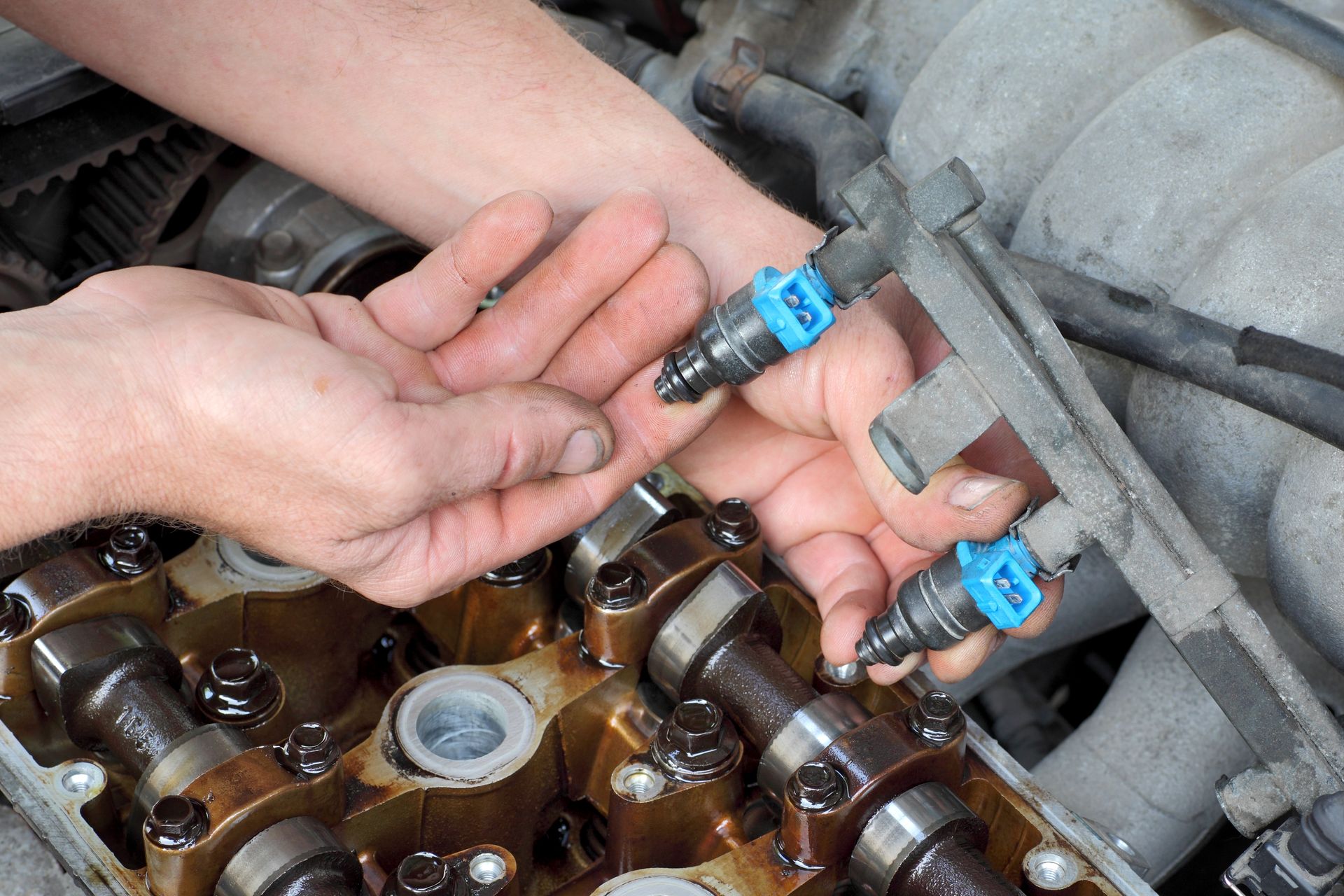
- Mechatronic unit faults that cause erratic shifts or loss of certain gears
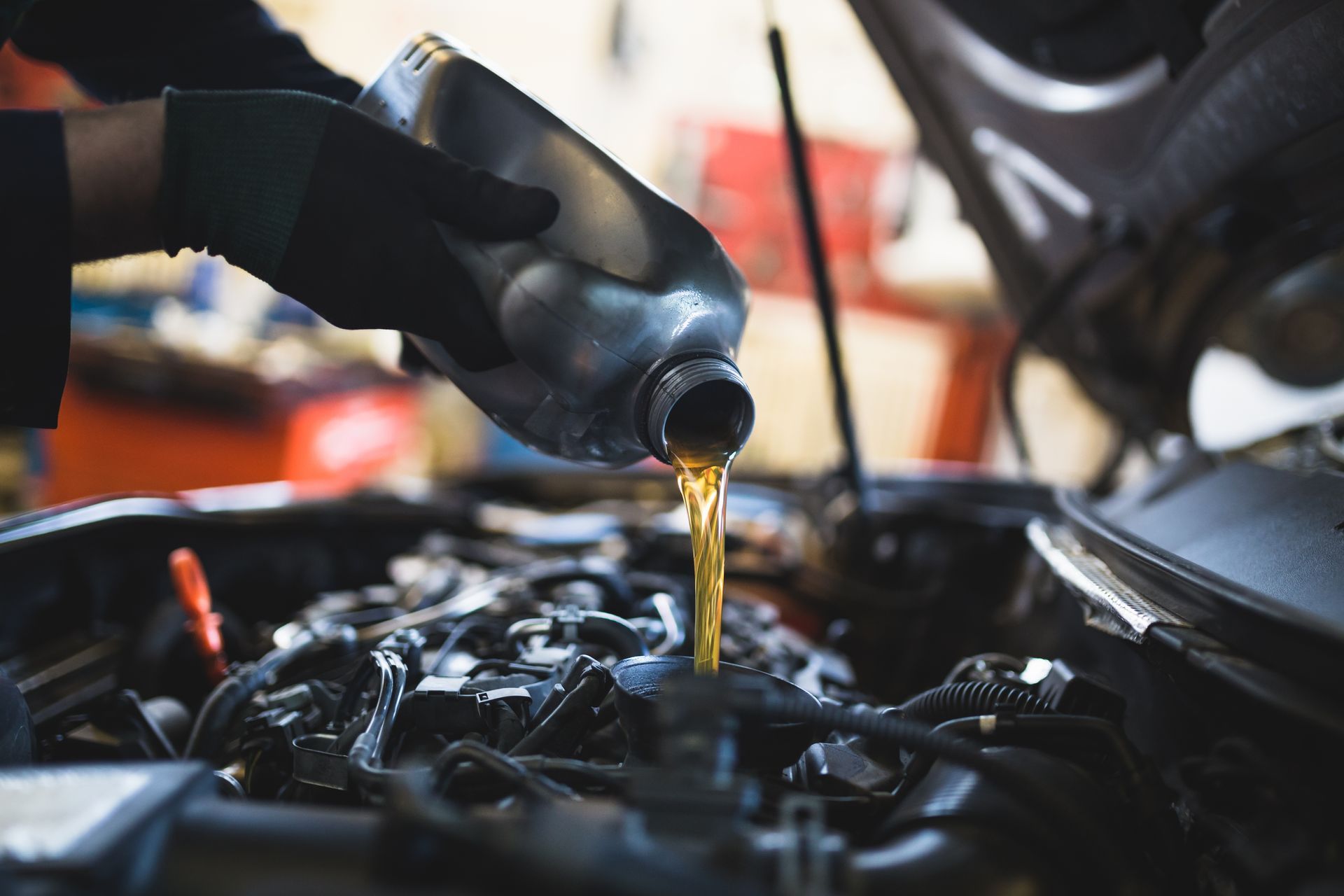
- Fluid that is burnt, low, or incorrect, leading to overheating and rough shifts
- Worn dual mass flywheels that rattle at idle or vibrate when pulling away
Several of these can happen together, which is why a road test and scan tool checks are more useful than replacing parts based on feel alone.
Owner Habits That Make DSG Problems Worse
How the car is driven has a big impact on DSG life. Letting the car creep for long periods in heavy traffic with a light foot keeps the clutches half engaged and builds heat. Holding the vehicle on a hill with the accelerator instead of the brake does the same thing. Repeated hard launches on warm days also add up over time.
Maintenance habits matter too. Skipping DSG fluid services, using the wrong fluid, or living with shudder and harsh shifts for months all shorten the life of the clutches and mechatronic unit. We often see cars where a relatively simple repair could have been done earlier, before several components were taken out by overheating or contamination.
Decision Guide: What to Do When Your DSG Acts Up
If your DSG starts to feel different, a few steps can keep the problem from getting worse:
- Note when the issue happens, such as cold starts, hills, or only in stop-and-go traffic
- Watch for warning lights or messages and whether they are steady or come and go
- Drive gently and avoid towing or repeated hard acceleration until it has been checked
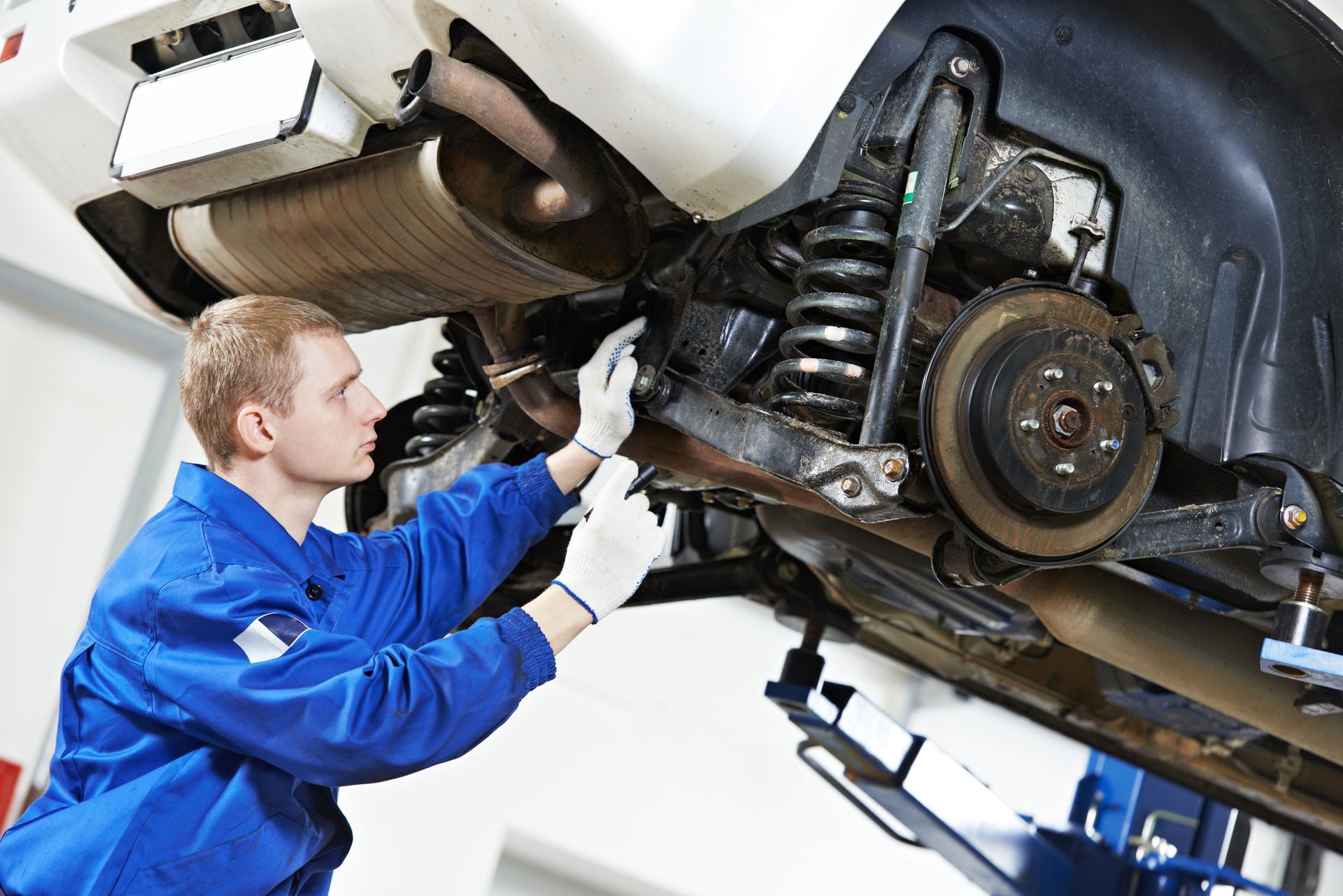
- Have a shop familiar with VW DSG systems scan for codes and inspect fluid
Good information helps the technician narrow down the cause quickly and build a realistic estimate instead of guessing.
After Repairs: How to Help Your DSG Last Longer
Once repairs or service are done, some simple habits help protect your investment. Following the recommended DSG service interval for fluid and filter changes keeps hydraulic control stable. Giving the transmission a brief pause when shifting between Reverse and Drive, and letting the car roll slightly before adding throttle, reduces shock loads on the clutches and flywheel.
If you feel a new shudder, harsh shifts, or see warning lights return, mention it right away instead of waiting for the next routine visit. Catching a small leak, software issue, or early clutch problem early is much cheaper than waiting until the car refuses to move.
Get Volkswagen DSG Transmission Repair in Randolph, NJ with A2B Euro Car Repair
We work with Volkswagen DSG transmissions regularly and know the patterns behind shuddering launches, harsh shifts, and warning lights.
Call
A2B Euro Car Repair in Randolph, NJ, to schedule DSG transmission service so we can diagnose the cause and get your VW shifting smoothly again.